

We all know and are told that we need at least 8 hours of sleep. But, come on, how many of us are really getting that? I know that personally, I get around 7, and that works just fine for me! Some of my fellow classmates get 4 or 5 and somehow manage to get through the week, while others can block out the time in between homework, sports, hobbies, and social time to get 9 hours. Really, it’s better to judge how much sleep you need based on your habits, preferences, and schedule, although let’s all aim to rest our eyes for at least 5 hours– for everyone’s sake. What’s actually going on as we sleep, though? Let’s take a deeper look:
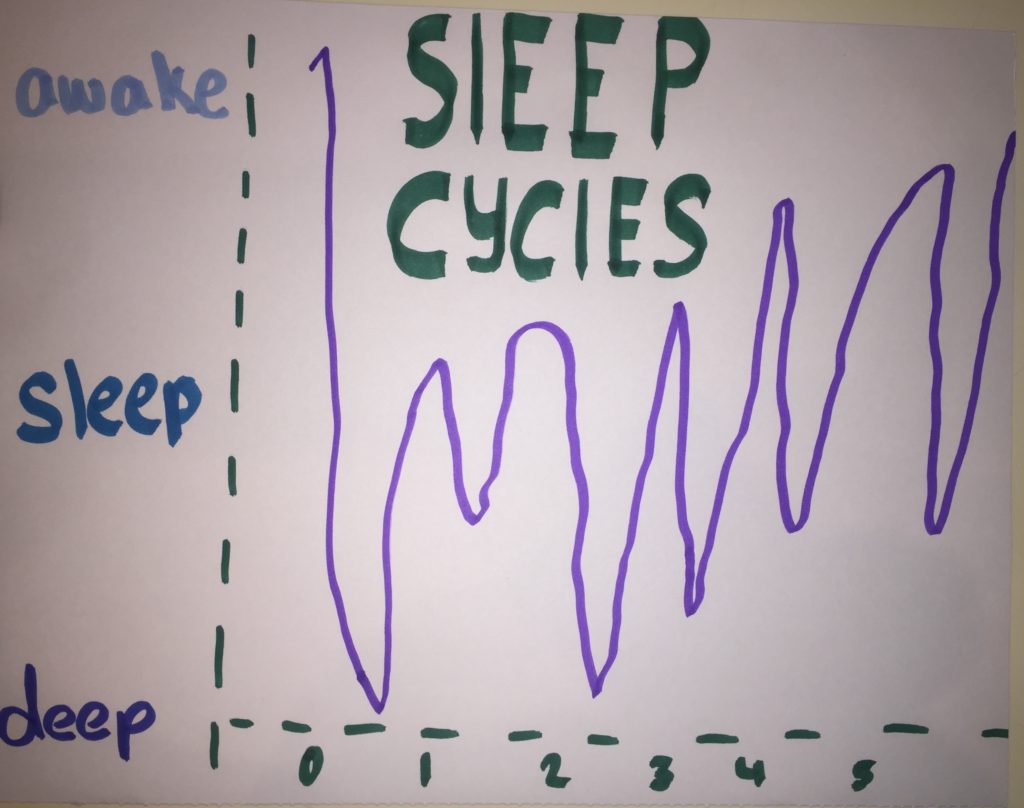
N1, Stage 1 of non-REM sleep, is where we spend 75% of our night. This is one of those “light sleep” phases where any noise can wake us up. Think of when you’re riding in a car and drifting off to the radio with the bumpy road rocking you to sleep– this is N1! Ideally, this is when our alarm clocks should wake us up with a blaring beep, Katy Perry, or soothing ocean sounds since it’s when we are least deep into repair and will feel the most awake.
In N2, our breathing and heart rates stabilize and become regular, our body temperature drops, and we start to be less present in our surroundings, meaning its harder for us to hear that loud noise and jolt awake.
We now reach N3, where the real repair begins. Our blood pressure drops along with our breath rate, our muscles can finally relax and rebuild, and multiple growth hormones are released. For all the talk coffee and caffeine get about stunting our growth, sleep is just as important if we want to be the tall one in the friend group.
Our dreams occur during REM, which takes up 25% of the nightly cycle. REM stands for Rapid Eye Movement, which is exactly what’s going on! Our brain produces images, almost like a video, and our eyes move around to “watch” the film. This step gives our body energy and is beneficial for daytime. Our muscles stop working for a bit here as well as our body relaxes and disconnects from them for a bit.
Each cycle should last around 90 minutes, and ideally, we go through it about 5 times every night. So even if you don’t think you have time for a full 9 or so hours, at least aim to wake up in the lightest stage, N1, so you feel more rested. The best times for waking up are 1.5 hours after falling asleep, 4 hours after, 7.5 hours, and 9 hours, to ensure optimal usage of the cycles. This trick has enabled me to feel relatively well-rested even after 4 hours, so I can at least get through the day. Now, go to sleep! We all need it.




this is so helpful and I’ll definitely be using your advice and aim for 9 or 7.5 hours of sleep!